
BRAZIL IS THE WORLD’S SECOND-LARGEST FRAGRANCE MARKET
Right behind the United States — and it isn’t luxury spending driving it. It’s a daily habit. Brazilians reapply perfume the way other countries reapply lip balm.
Gingada · · 6 min read
Third-largest beauty economy on Earth
Only the United States and China buy more beauty and personal care products than Brazil does. In 2024 the sector posted R$173.1 billion in sales — up roughly 10% on the year before — and now accounts for about 2% of Brazil's entire GDP.
Source: ABIHPEC (Brazilian Association of the Cosmetic, Toiletry and Fragrance Industry), 2024 data
A perfume for every mood, every day
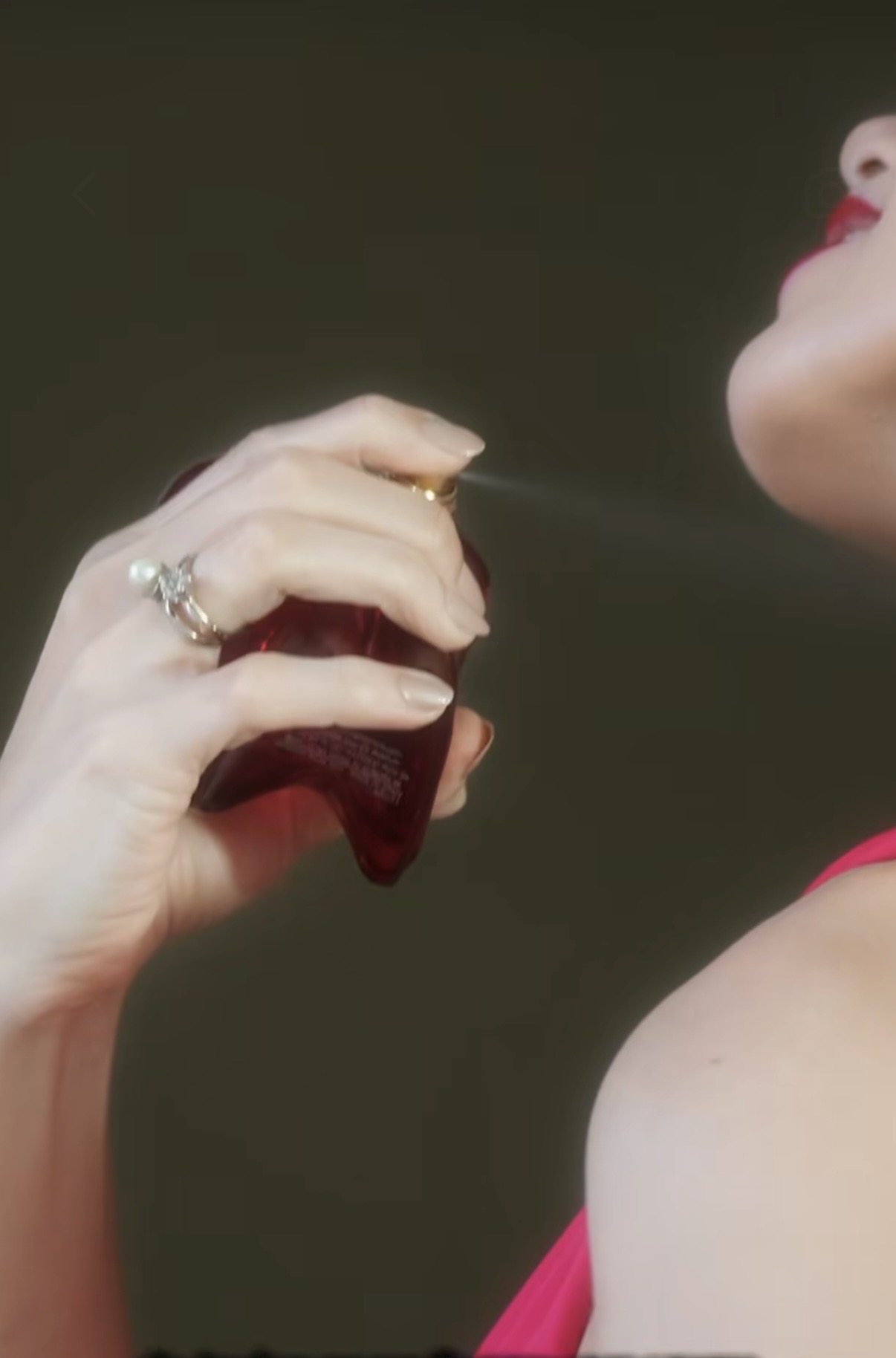
In Brazil, smelling clean isn't a luxury — it's a baseline. There's a saying for it: “sou pobre, mas sou limpinho” — I'm poor, but I'm clean. Fragrance isn't kept for going-out nights; it travels in the bag, gets reapplied after the gym, before work, after the beach. One scent for the morning mood, another for the night.
That habit alone makes Brazil the world's second-largest fragrance market, combining mass and premium — trade press ties it directly to “banho tomado,” the fresh-from-the-shower feeling Brazilians chase all day long, in a hot climate that gives them plenty of reason to.
This is the repurchase economy in action: body mist now sells at nearly twice the volume of deodorant colognes at some Brazilian brands, growing 400–500% annually. Sol de Janeiro's body mist is one of the category's breakout global hits — proof the format already travels.
Nobody buys off a recommendation like Brazil does
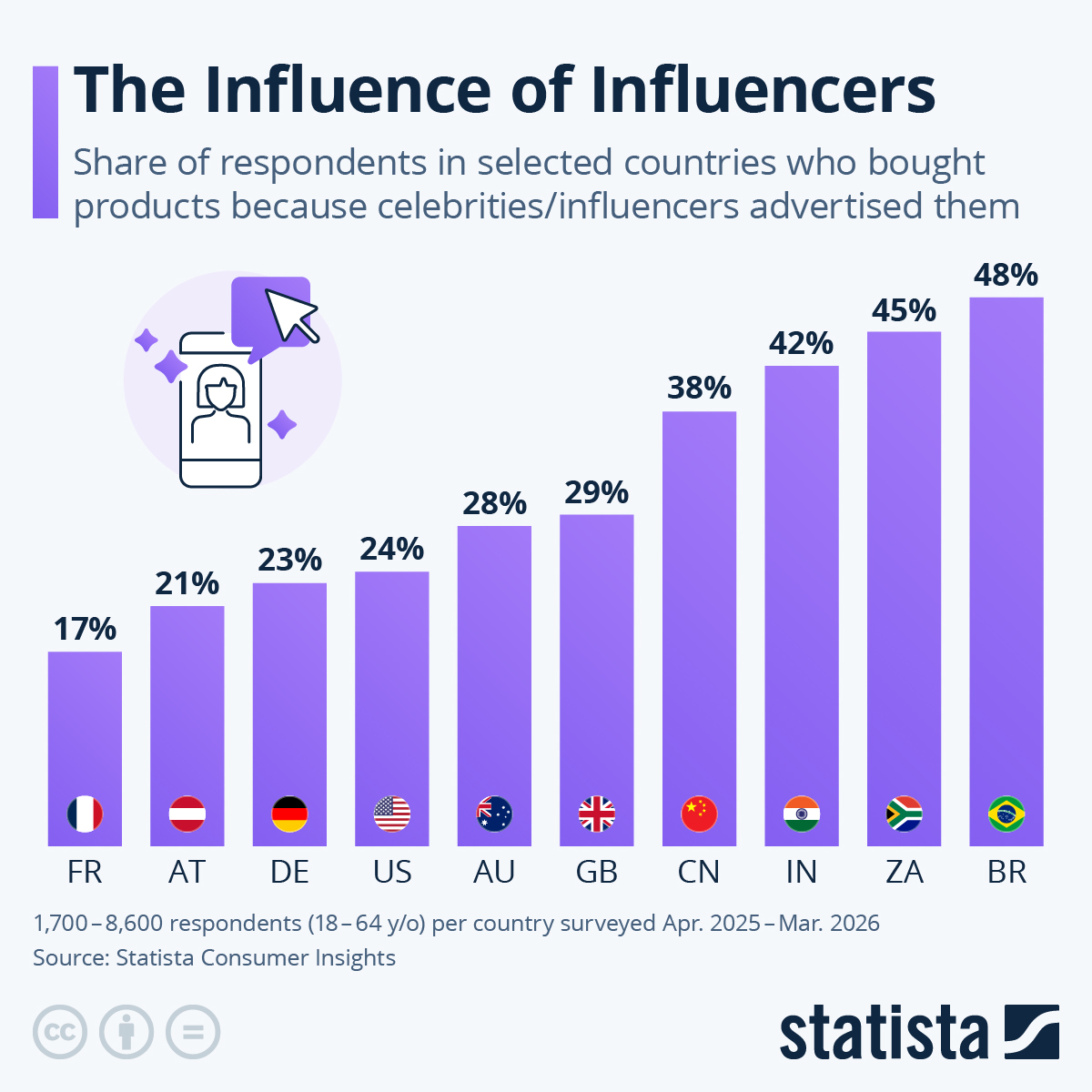
Across every major global consumer survey on the subject, Brazil sits at or near the very top of the ranking for influencer-driven purchases — well ahead of markets several times its media spend.
Brazil has more social media influencers than it has dentists or engineers — and about as many as it has doctors. Its 3h42m of daily social media use makes it the third-heaviest-using country in the world.
Sources: Statista/Rakuten (Dec 2024); Nielsen, via The Brazilian Report
Sources & further reading
- ABIHPEC — Brazilian Association of the Cosmetic, Toiletry and Fragrance Industry, 2024 sector data.
- in-cosmetics Connect, “Why Brazil is the world's 2nd largest fragrance market,” 2025.
- Formes de Luxe, “What's trending in Brazilian fine fragrance?,” citing Euromonitor International, 2025.
- PremiumBeautyNews, “From Spritz to Sensation: Brazil's Body Mist Boom,” citing Circana, 2026.
- Mercado&Consumo, “Muito além do pós-banho,” 2026.
- Statista / Rakuten, “Trust in recommendations by influencers by country,” Dec 2024.
- Statista / MARCO Agency, “Share of consumers that have bought something based on the recommendation of an influencer in Brazil,” 2022.
- The Brazilian Report, on Nielsen and Statista Global Consumer Survey data, 2022.
- CupomValido.com.br, compiling Statista/Hootsuite country comparison data.
Keep reading
Business · 24 September 2026
TEXBRASIL: THE MACHINE BEHIND BRAZIL'S FASHION EXPORTS
Every Brazilian label that has shown in Milan, opened a corner at Macy's or landed a rack at Selfridges has, more likely than not, gone through the same 26-year-old program most of the industry has never heard of.
Opinion · 24 September 2026
THE EIGHTH ART: WHY BRAZILIAN FASHION DESERVES TO BE STATE POLICY
Brazil grows the world's most exported cotton and spins the silk Hermès depends on, yet its fashion is still treated as commerce alone. The newly founded Brazilian Fashion Council wants to change that.
Business · 23 September 2026
WHY GLOBAL FASHION AND BEAUTY BRANDS SHOULD BE CALLING BRAZIL
Every brand looking for its next growth market is running the same checklist: which country is culturally ascendant, and which country's consumers will actually stay once the launch campaign ends? Right now, both answers point to the same place.